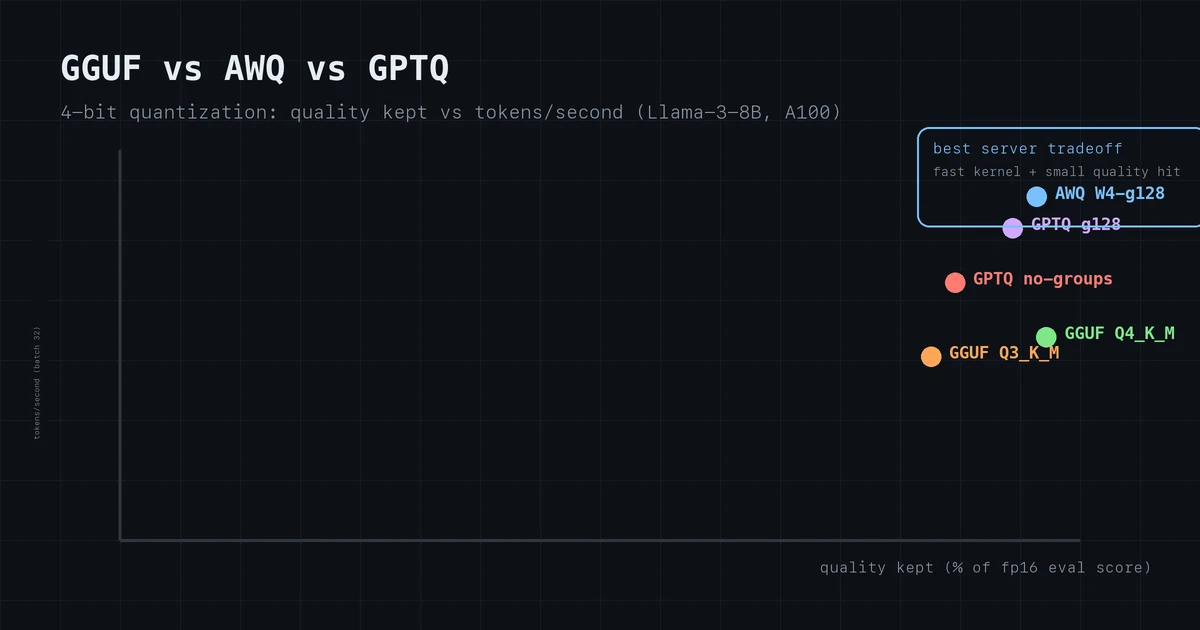
GGUF vs AWQ vs GPTQ: what 4-bit quantization really costs in quality and latency
GGUF Q4_K_M, AWQ and GPTQ 4-bit variants of one 8B model benchmarked for perplexity and serving throughput - when each wins and when 4-bit breaks.
GGUF Q4_K_M, AWQ and GPTQ 4-bit variants of one 8B model benchmarked for perplexity and serving throughput - when each wins and when 4-bit breaks.
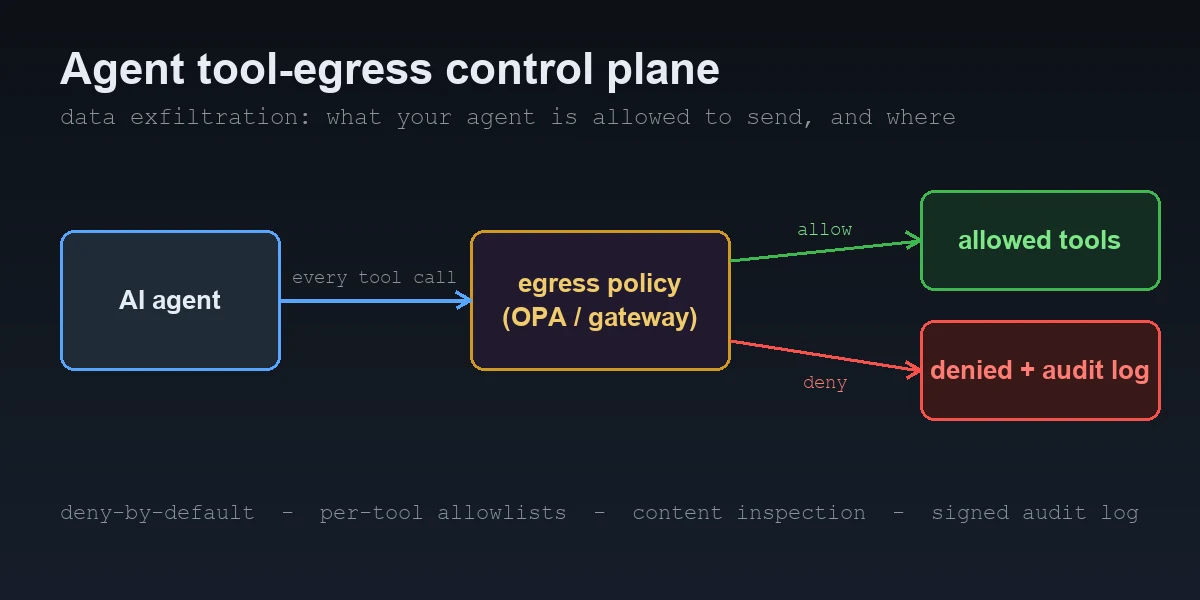
Prompt injection turns agents into exfiltration channels. The fix is egress policy on tool calls: deny-by-default hosts, payload scans, budgets, audit logs.
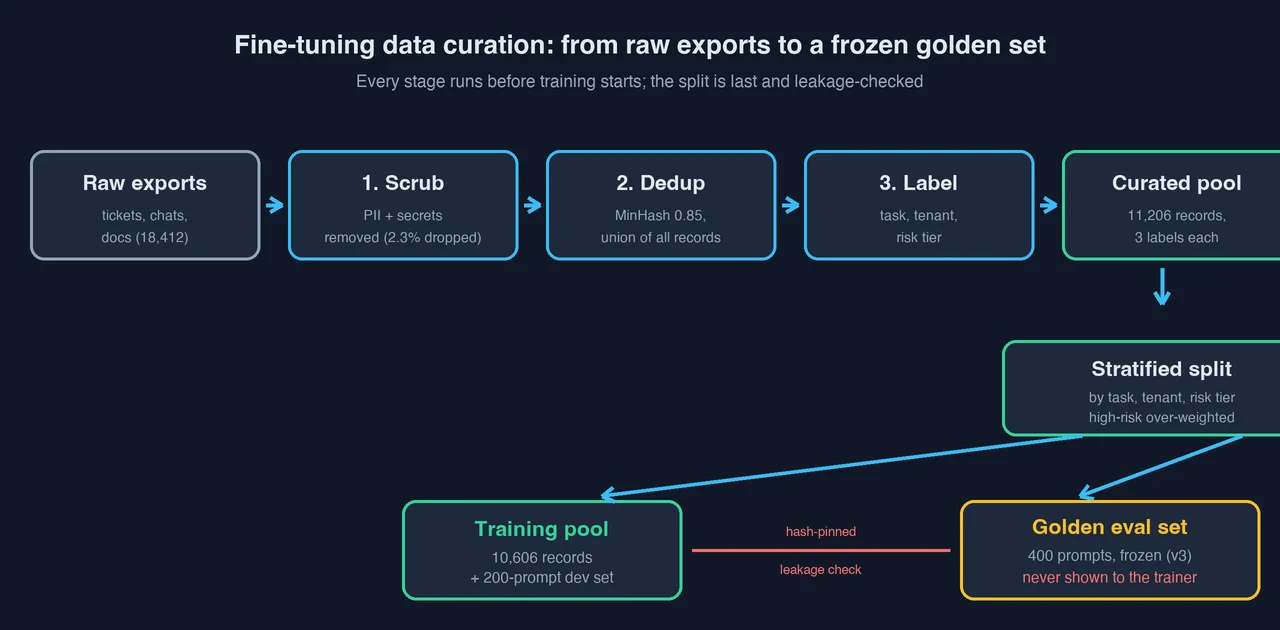
The regression-gates post assumes a gate suite exists; this one builds it: PII scrub, MinHash dedup, risk-tier labels, and a frozen 400-prompt golden set.
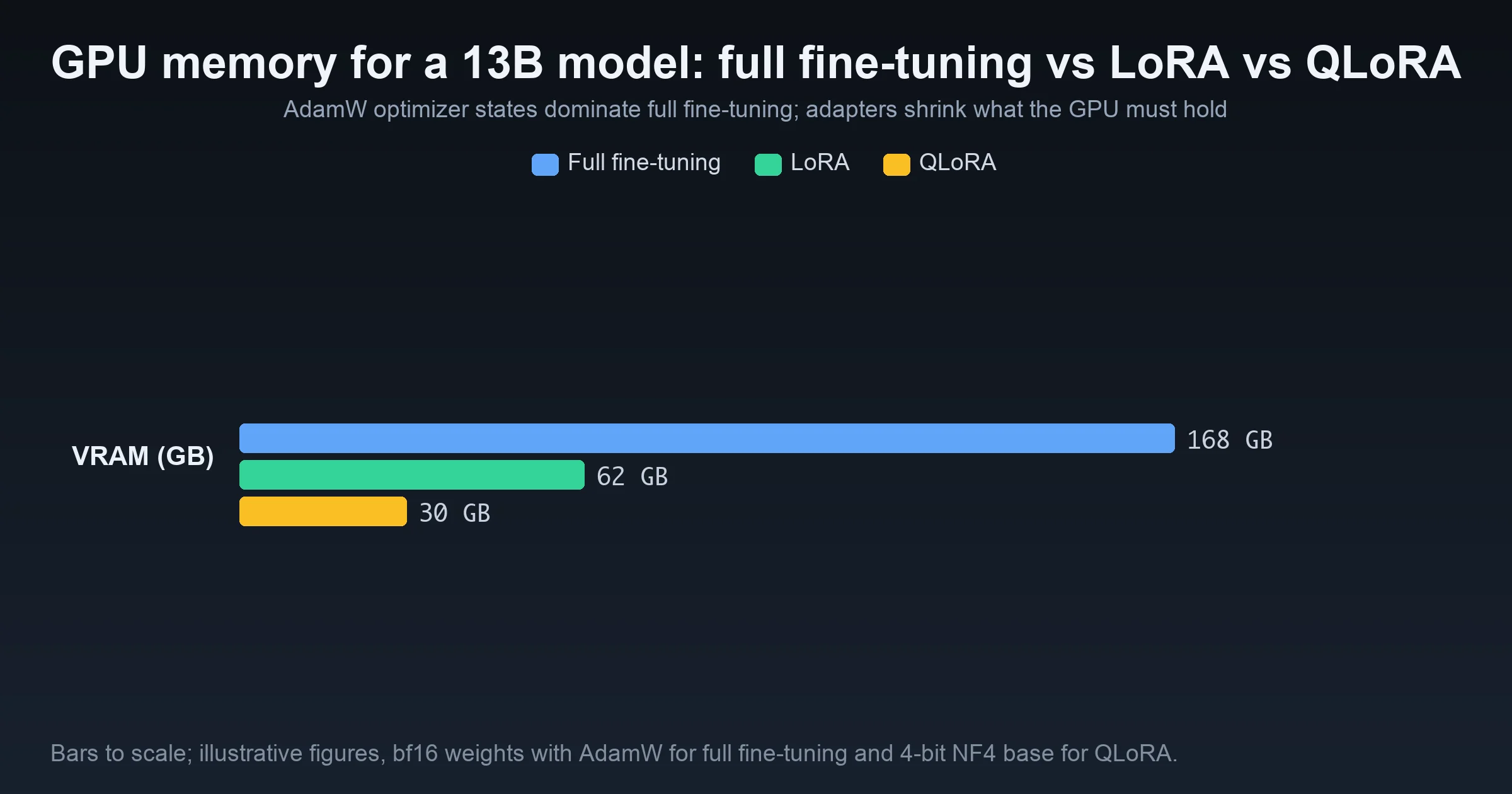
LoRA and QLoRA cut GPU memory 3-5x and training cost 3-6x versus full fine-tuning. See where their eval scores match and how to pick per task.
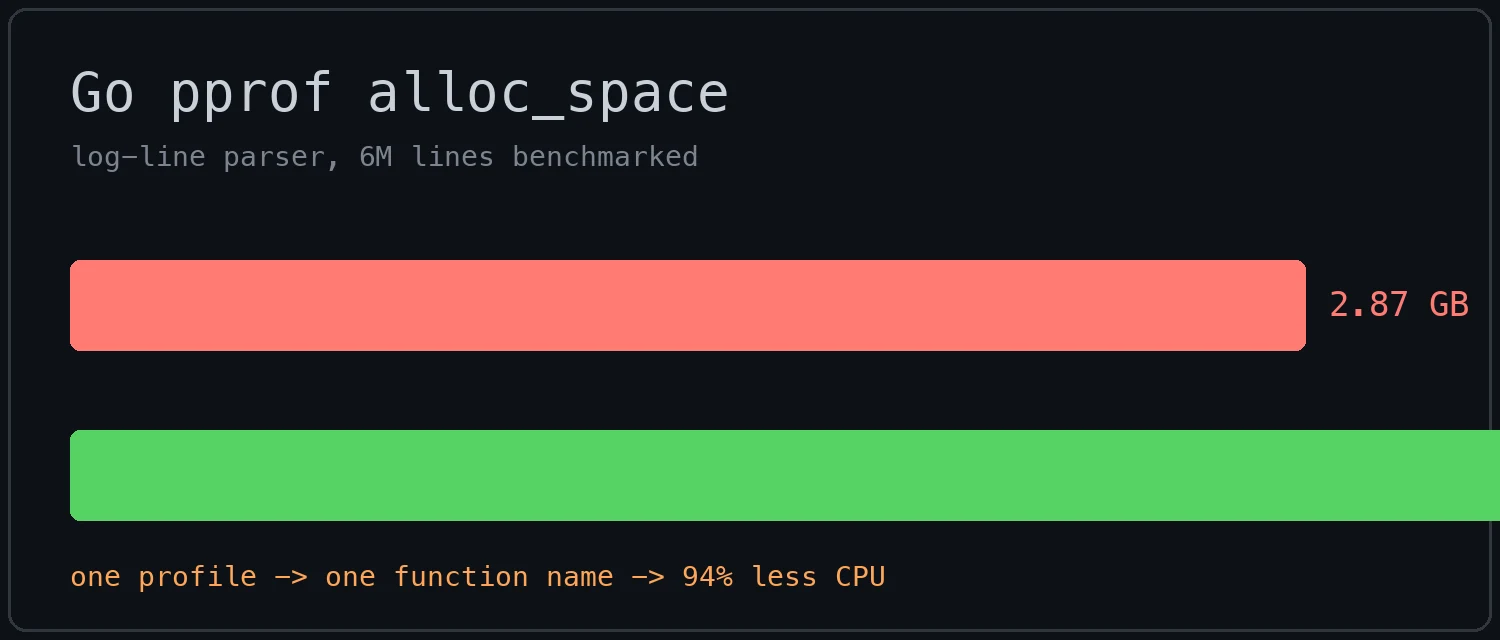
pprof alloc_space traced 2.87 GB of garbage per second in a Go log parser to one string concatenation; a zero-copy rewrite cut it to 513 kB and CPU by 94%.
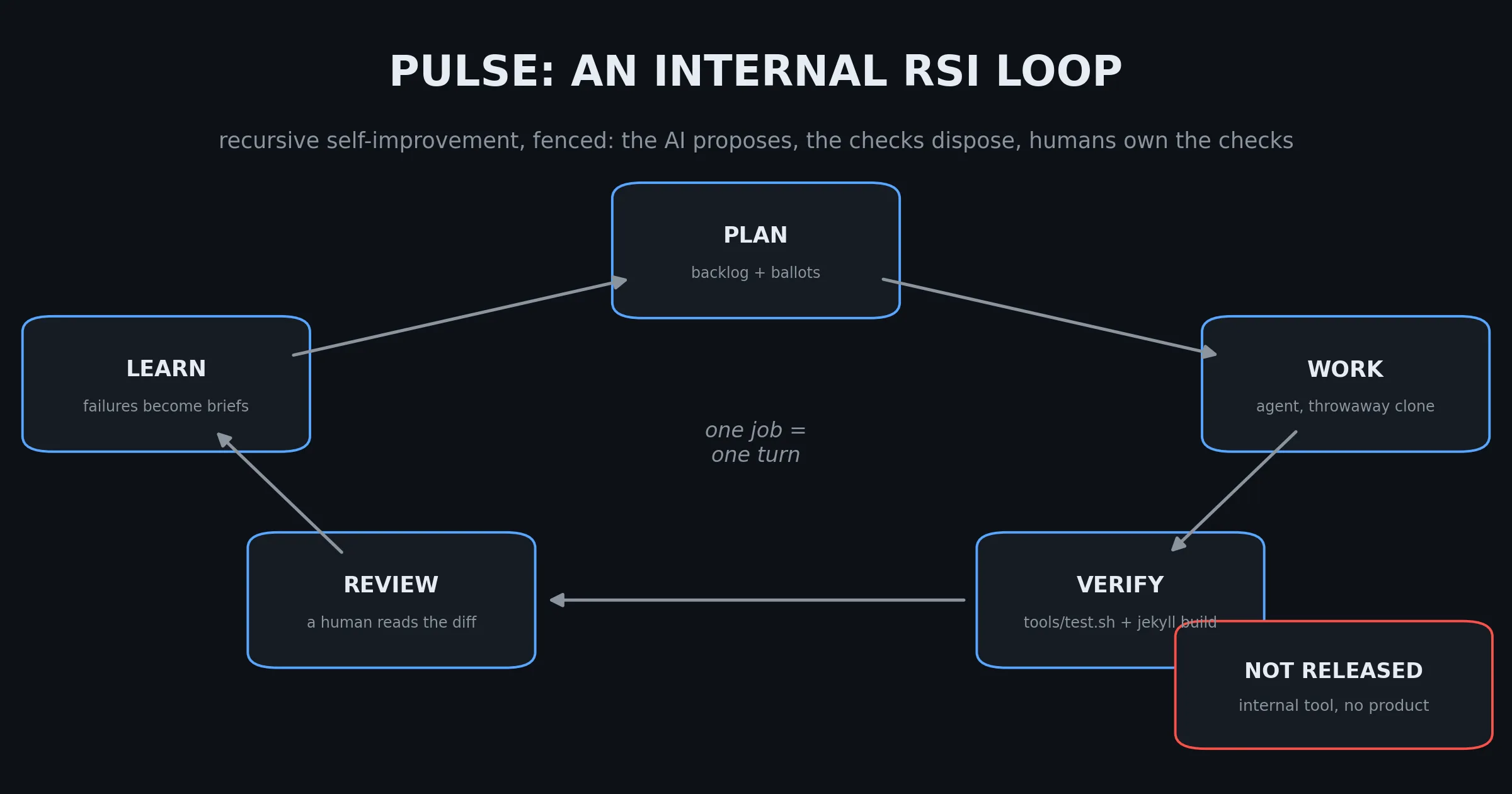
Pulse is Lamplit Labs' multi-project self-improving (RSI) automation product, coming soon. It already runs this blog's publishing loop - how the loop works.
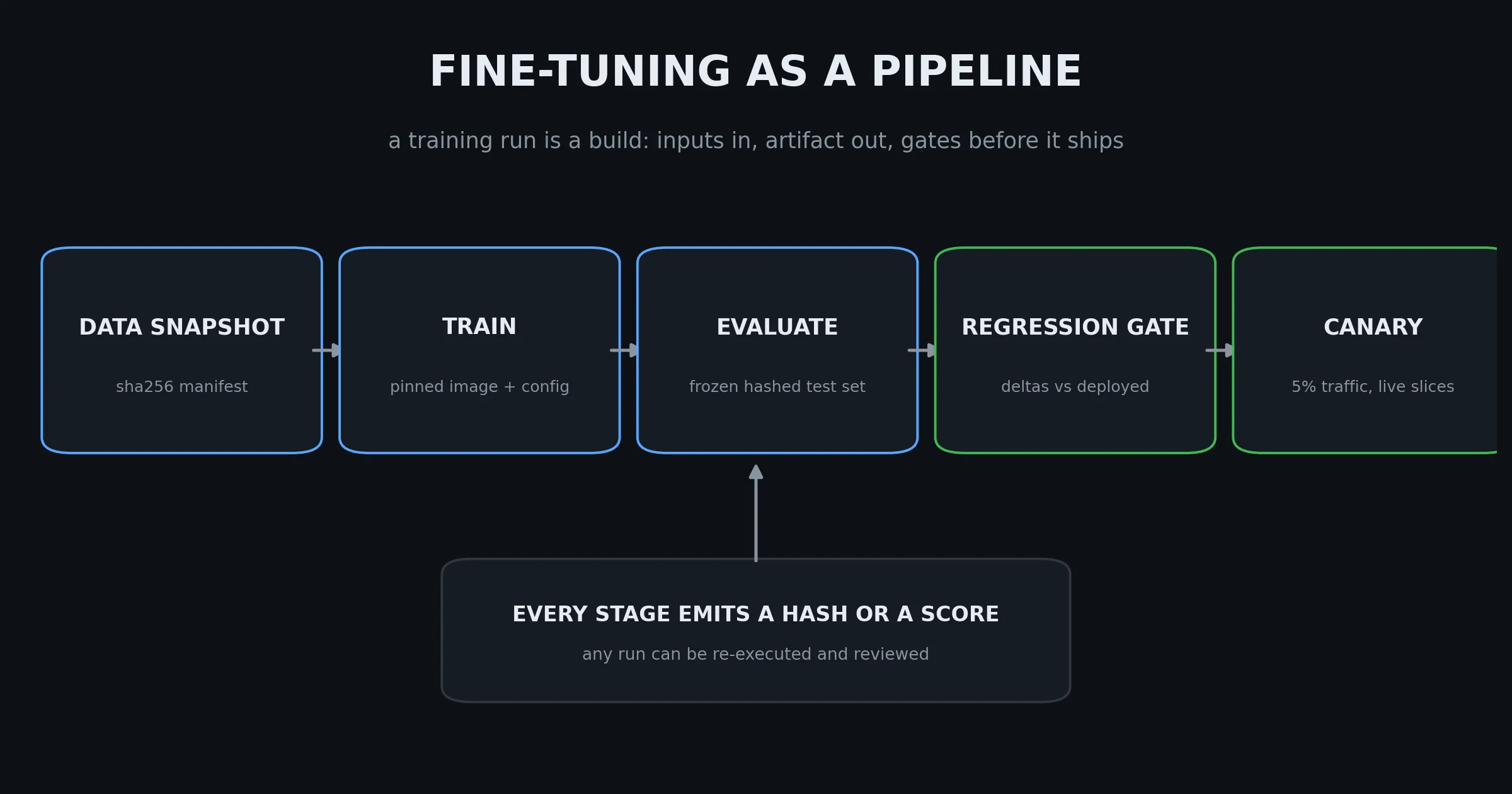
Fine-tuning fails quietly through data contamination and silent regressions. A data manifest, frozen eval set and regression gates make each run reviewable.
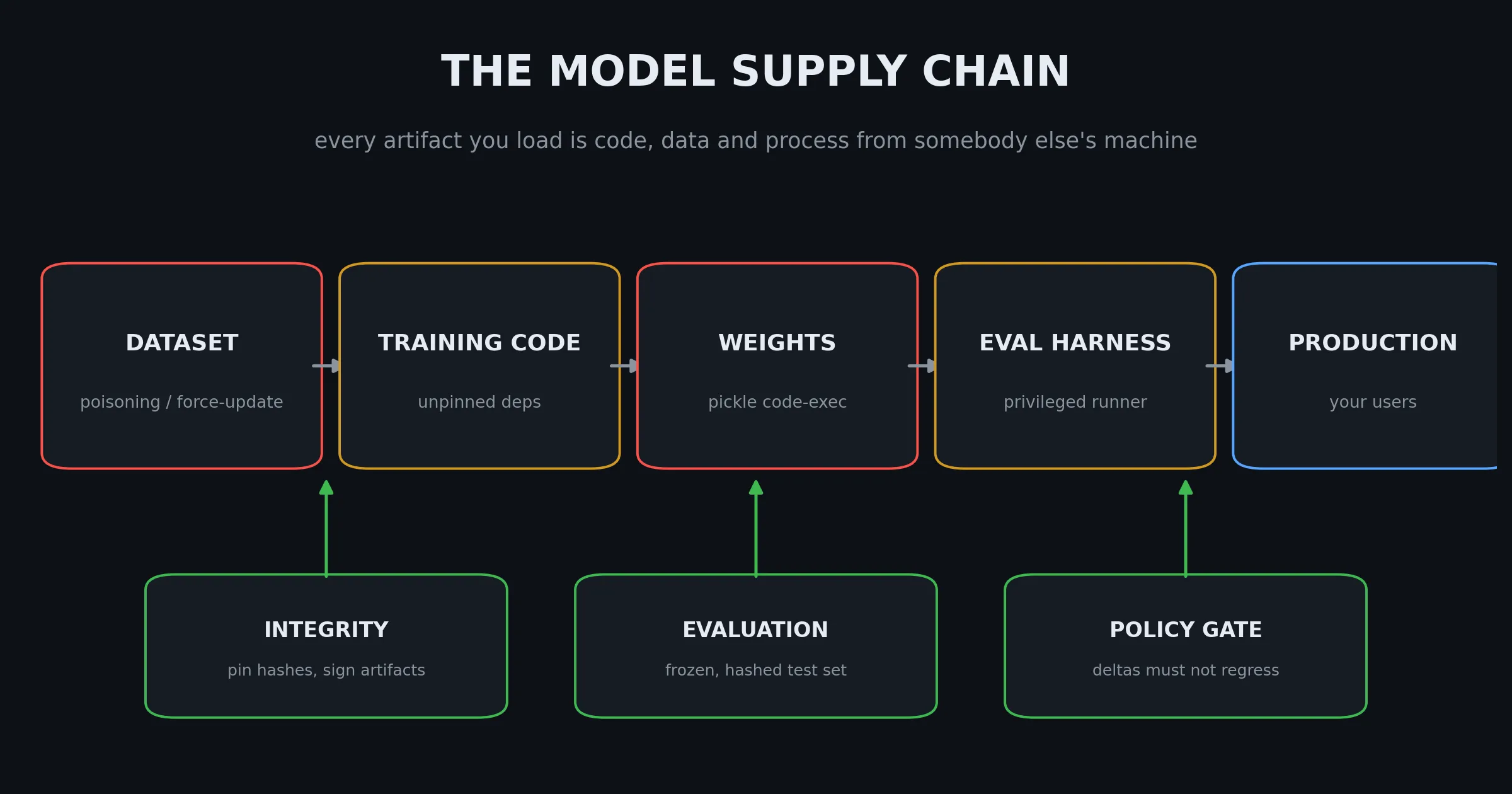
Model weights, datasets and eval harnesses are unsigned dependencies most teams never audit. Map the attack surface and the checks that catch poisoned artifacts
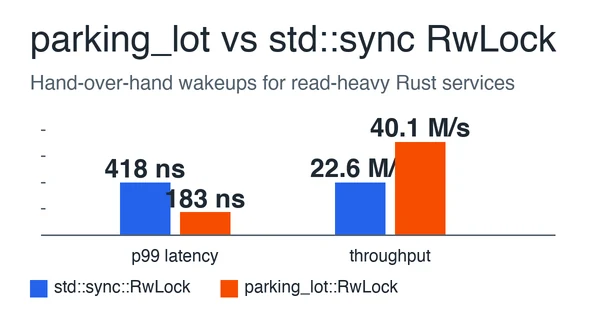
Swapping std::sync::RwLock for parking_lot::RwLock on a read-heavy Rust hot path cut p99 latency 56% and lifted throughput 77% - measured with criterion.
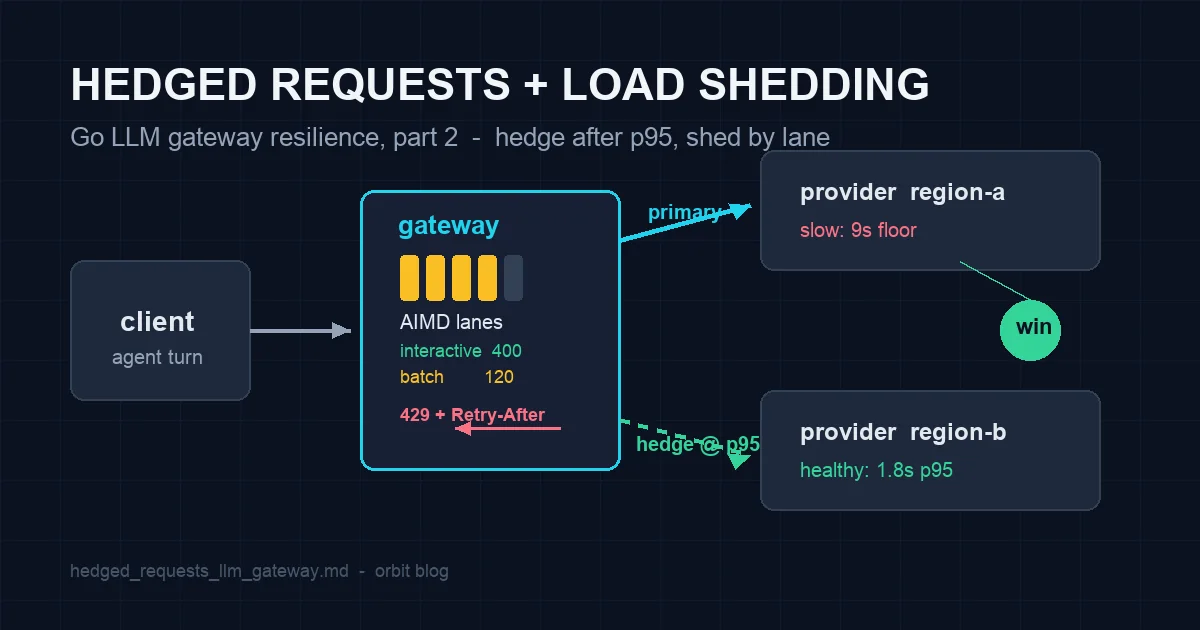
Go LLM gateway resilience part two: context-aware hedged requests after p95 and adaptive concurrency lanes that shed load gracefully with 429 + Retry-After.