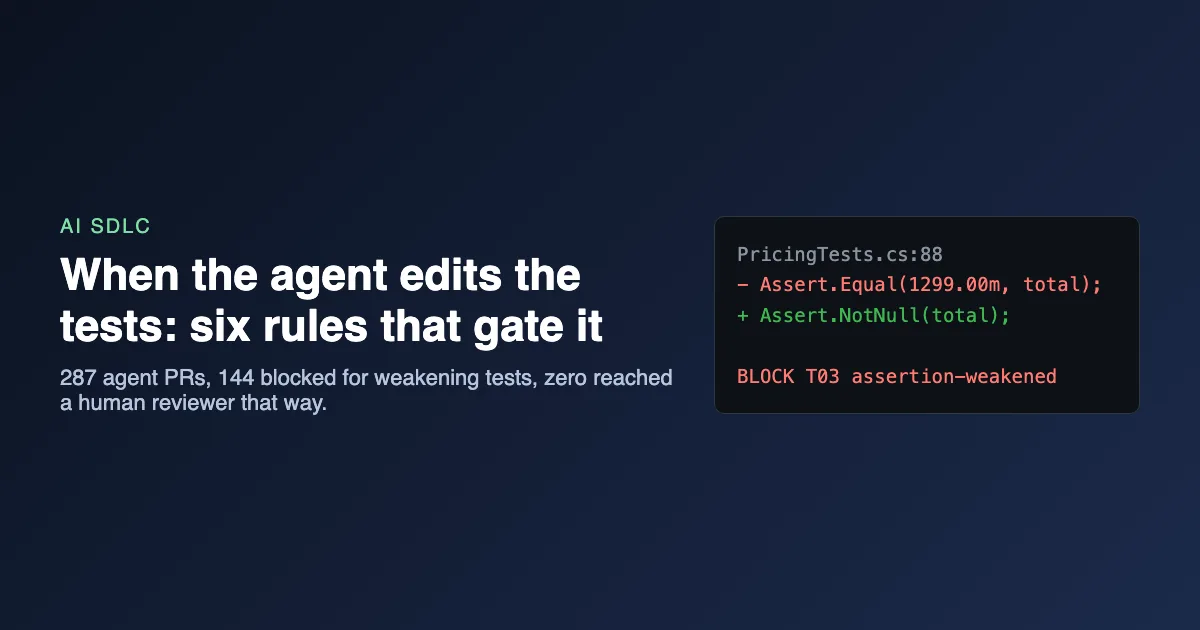
AI SDLC: When the Coding Agent Edits the Tests, Six Rules That Gate It
Agents told to make CI green sometimes edit the tests, not the code. Six test-integrity rules we gate every agent PR with, and numbers from 287 PRs.
Agents told to make CI green sometimes edit the tests, not the code. Six test-integrity rules we gate every agent PR with, and numbers from 287 PRs.
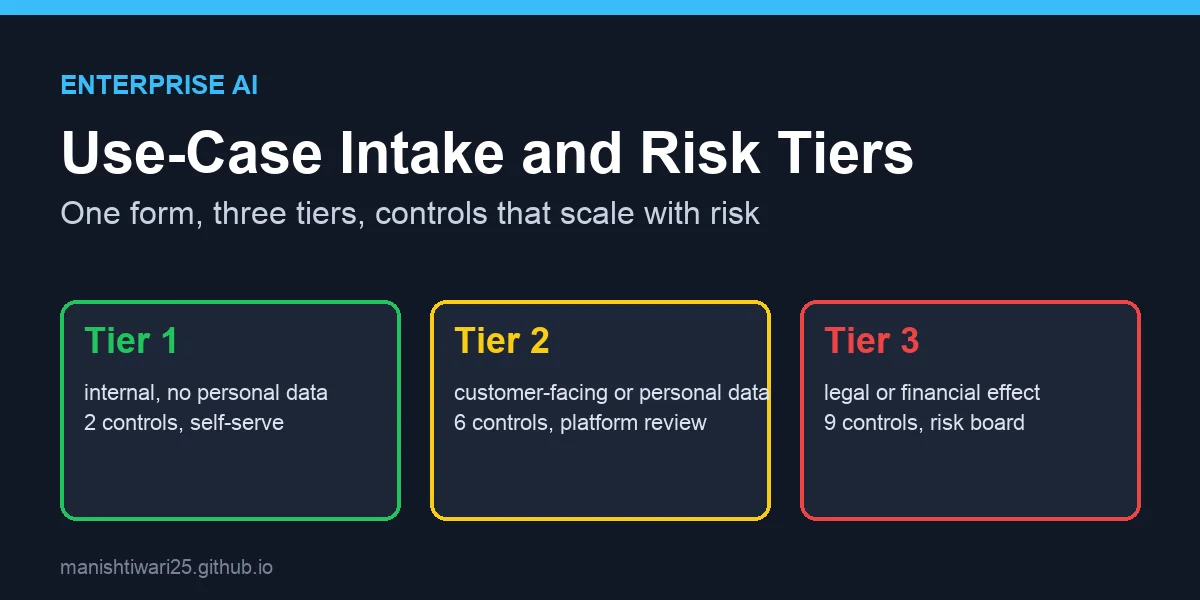
A 12-question intake form scores each LLM use case into one of three risk tiers with a fixed control list, so a chatbot is not reviewed like a loan decision.
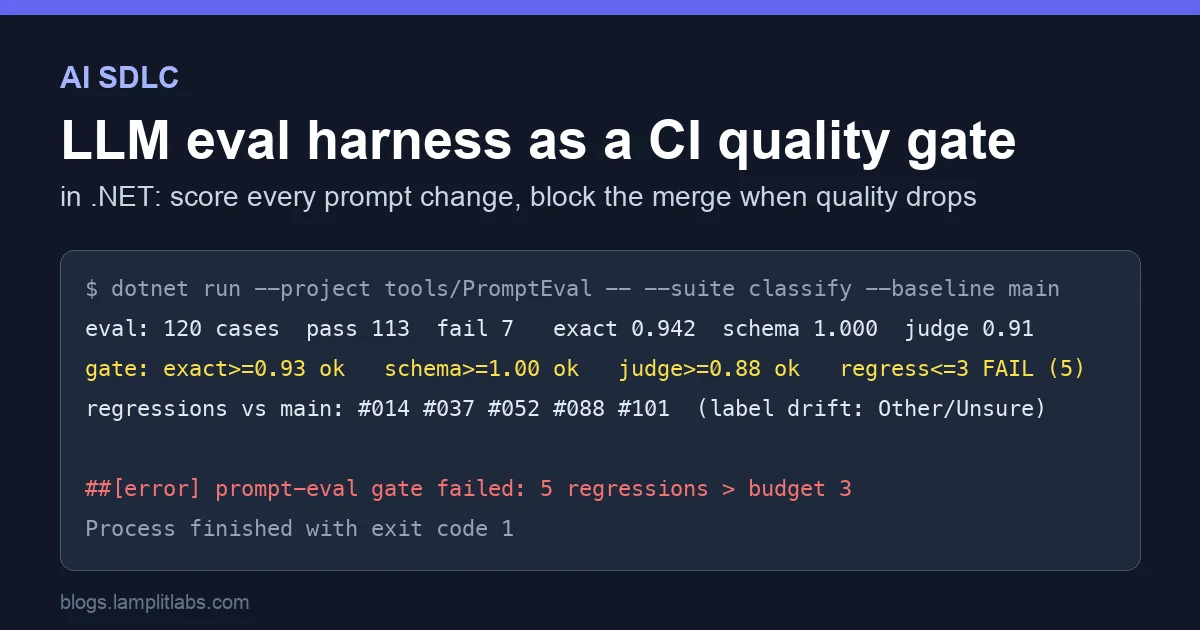
Turn an LLM eval suite into a CI gate in .NET: a harness with four metrics, a diff against main, a regression budget and a GitHub Actions job that fails the PR.
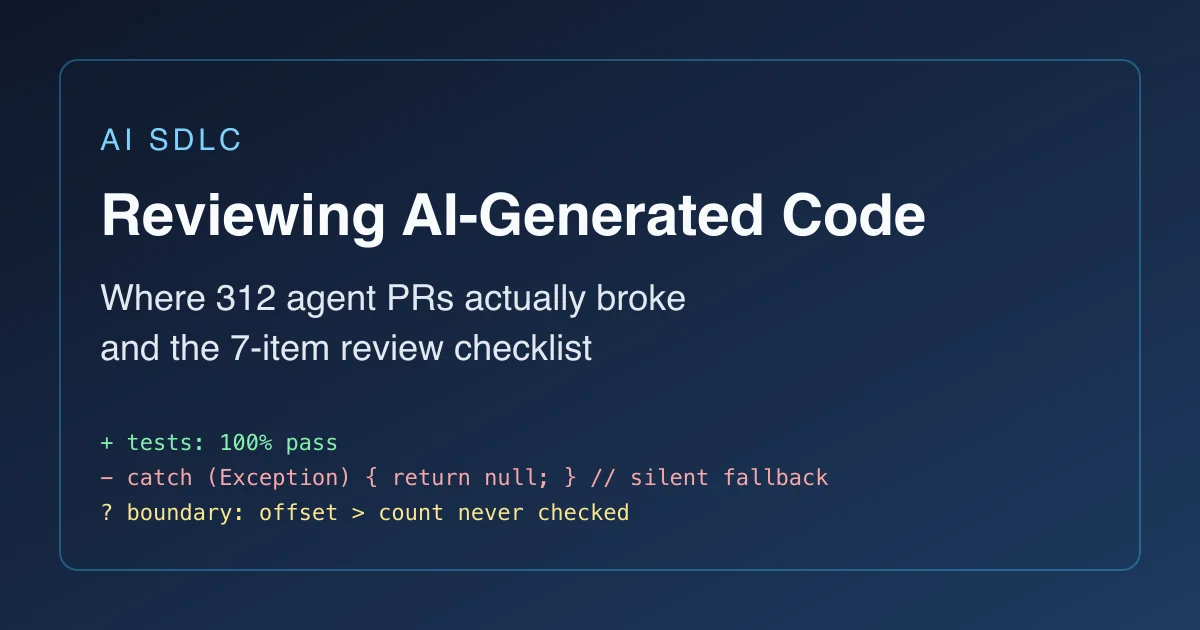
Seven defect classes human reviewers found in 312 green coding-agent PRs, and the seven-item checklist that cut post-merge defects from 23 to 8 per 100 PRs.
Find every LLM endpoint staff already use from egress logs, register each with an owner and data class, route via one gateway: 47 found, 44 governed.
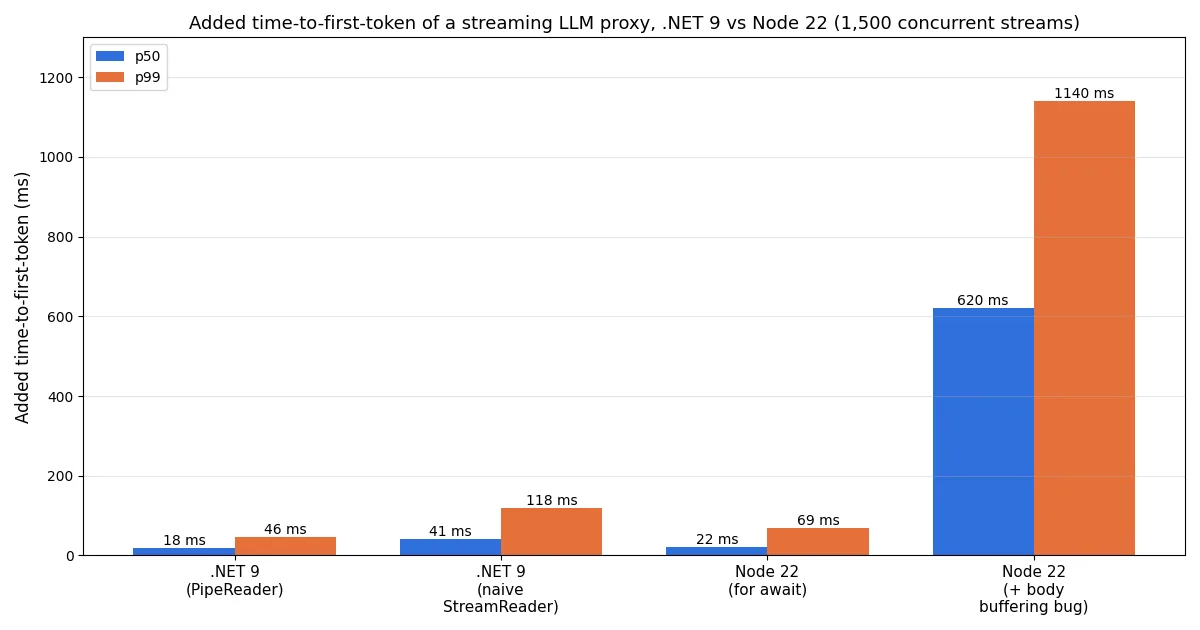
Streaming LLM proxy in .NET 9 vs Node 22 at 1,500 streams: added time-to-first-token p99 46 vs 69 ms, and the two code shapes that push it past 100 ms.
Taking an AI code-review agent from one pilot repo to 40 services: a per-repo policy file, four rollout gates, and eight weeks of acceptance and defect numbers.
We rewrote one AGENTS.md for coding agents and measured it: agent PR rework fell from 41% to 17%. The five rule types that worked, and the one that did not.
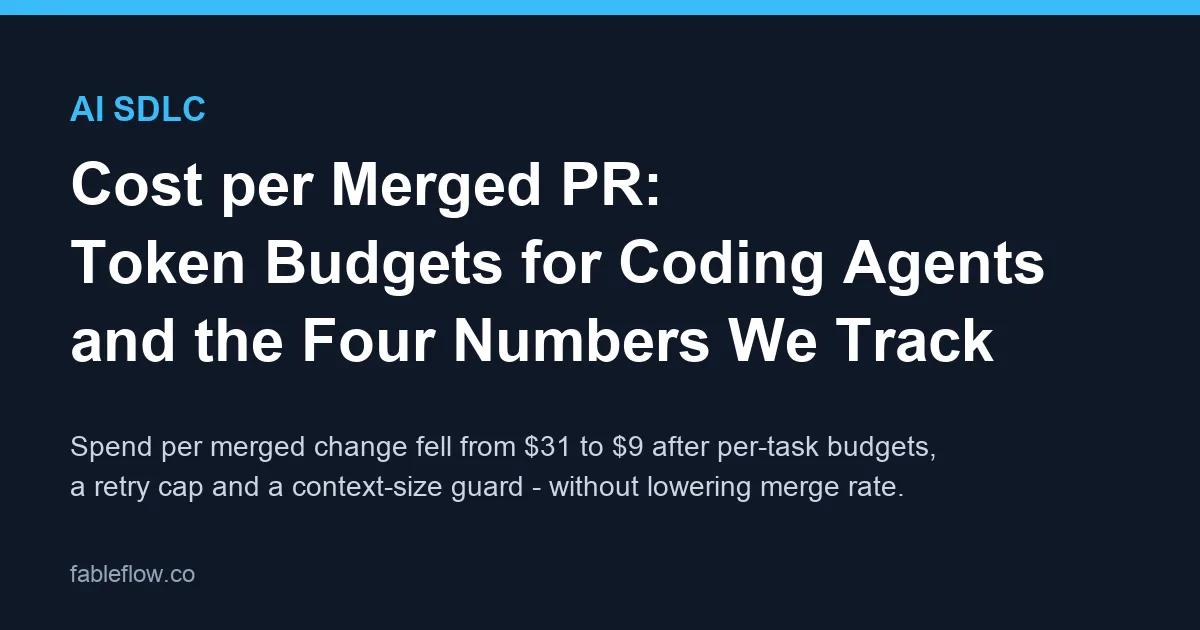
How we cut coding-agent spend per merged PR from $31 to $9 with a per-task token budget, a retry cap and a context-size guard, without lowering merge rate.
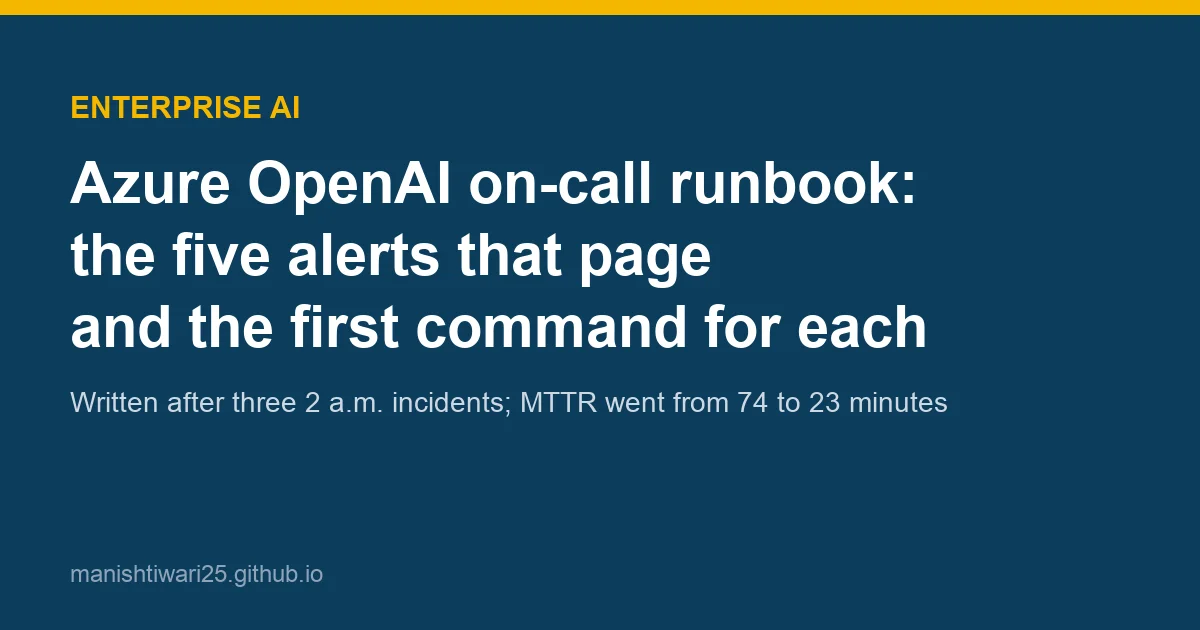
An Azure OpenAI on-call runbook: the five alerts allowed to page, the first KQL or APIM check for each, and how MTTR fell from 74 to 23 minutes.