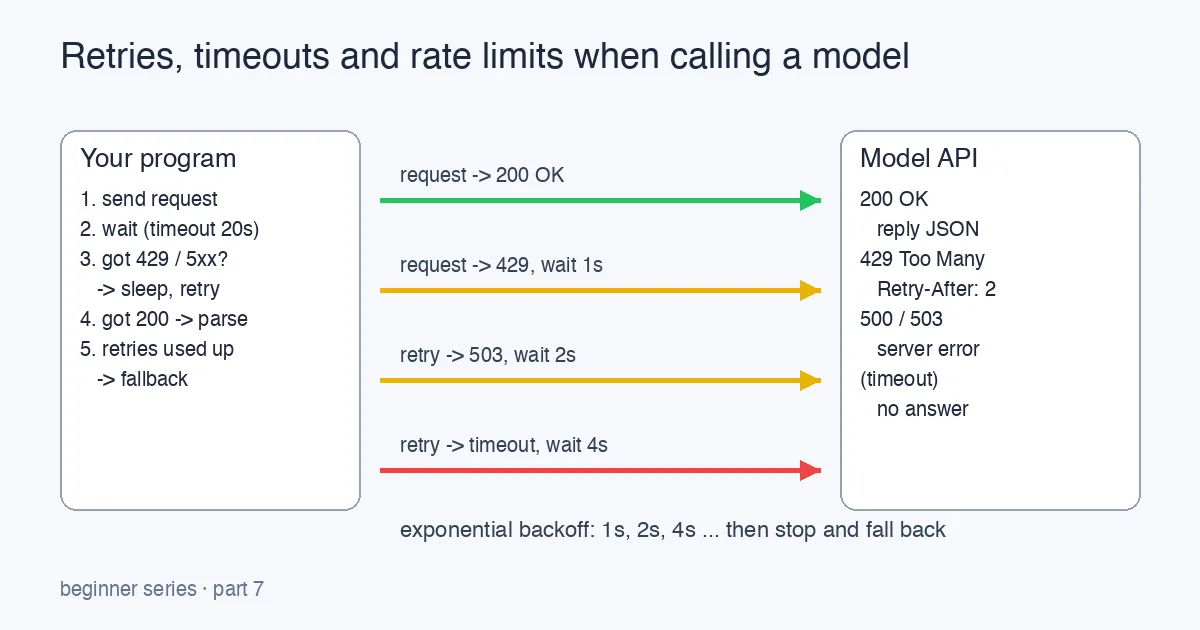
Retries, Timeouts and Rate Limits: Making Your First Model Call Survive the Real World
Beginner tutorial: handle timeouts, 429 rate limits and 5xx errors from a model API with exponential backoff, a retry budget and a safe fallback.
Beginner tutorial: handle timeouts, 429 rate limits and 5xx errors from a model API with exponential backoff, a retry budget and a safe fallback.
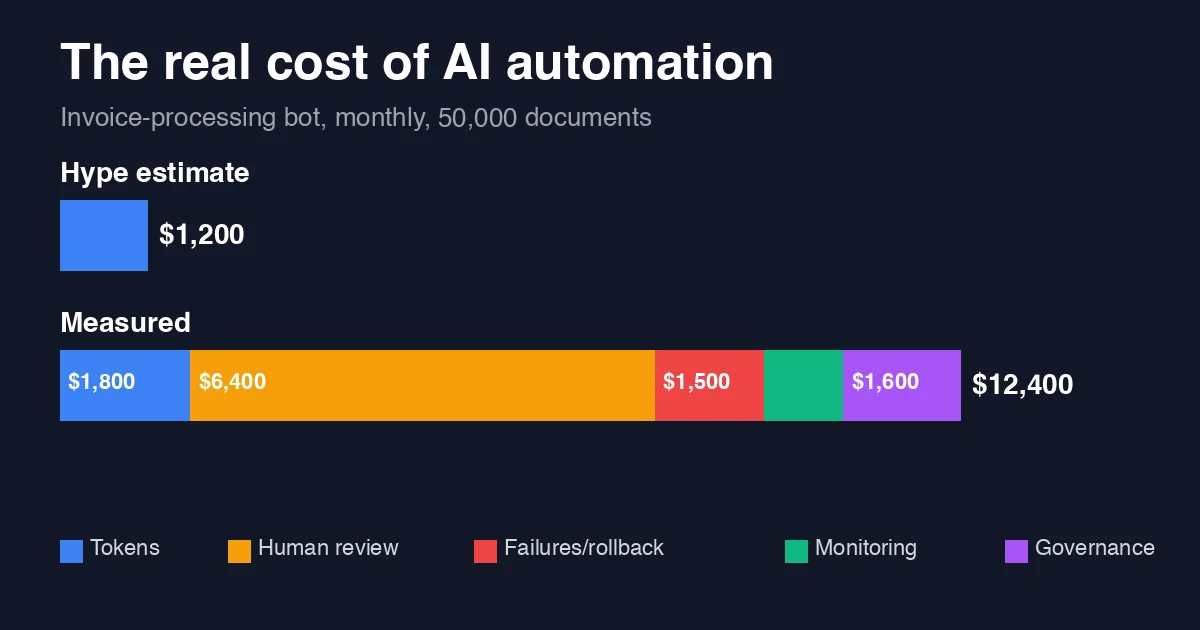
A worked monthly cost model for one AI automation: tokens are 13 percent, human review, failures, monitoring and governance are the rest. With numbers.
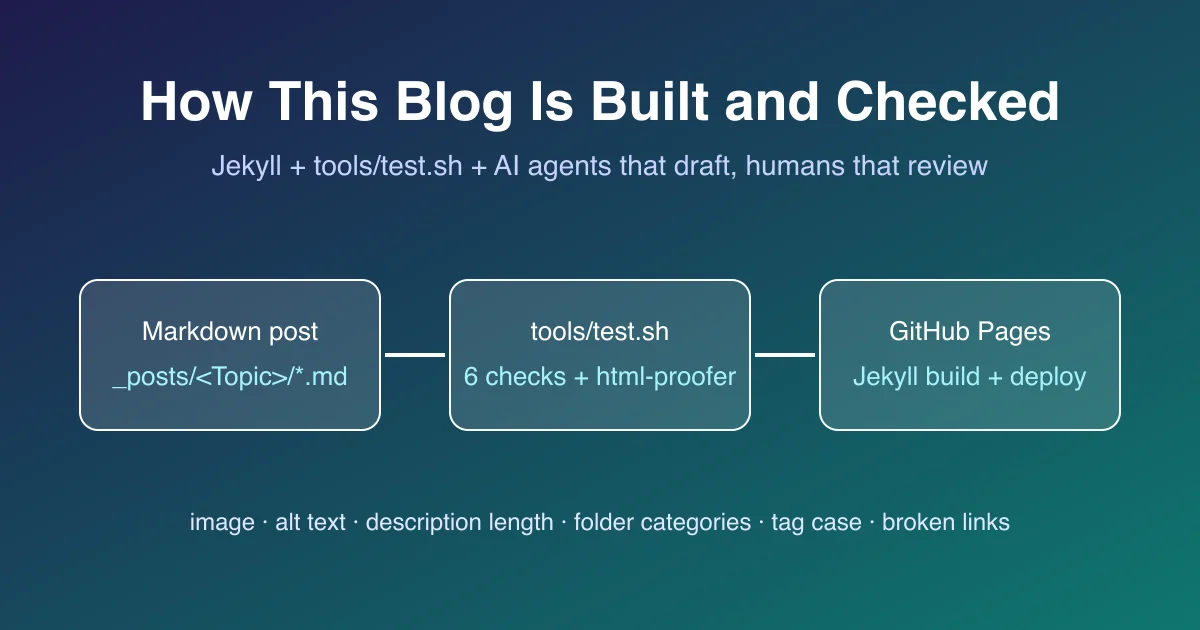
Behind the scenes of this blog: the Jekyll setup, the deterministic checks in tools/test.sh, and the AI agent workflow where agents draft and humans merge.
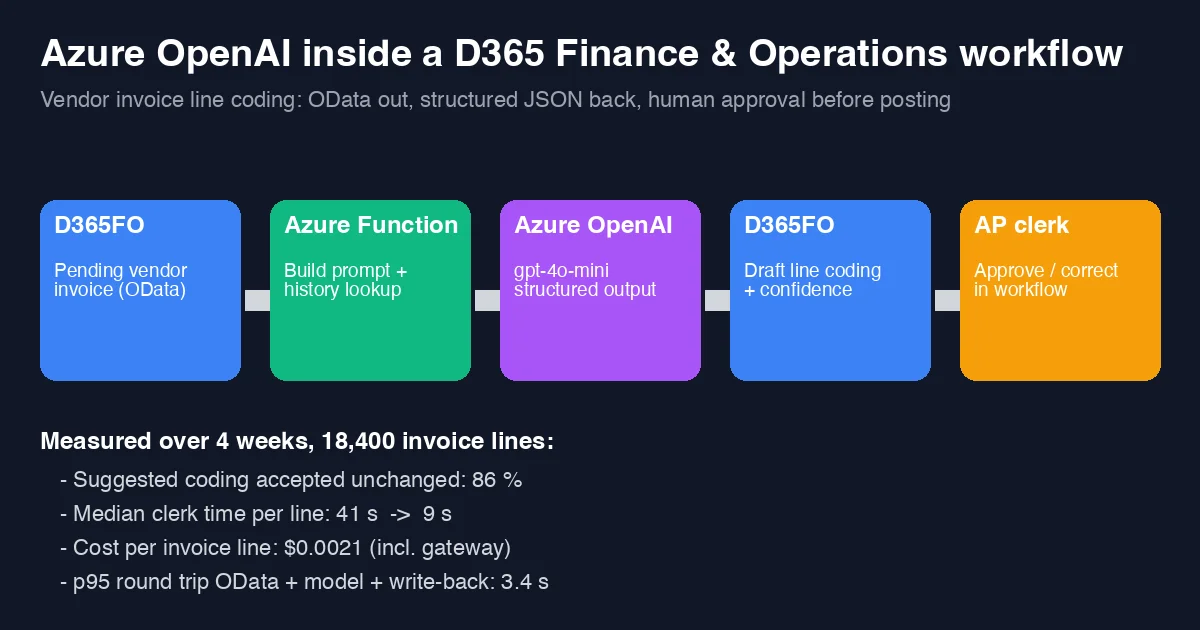
An Azure Function reads pending D365FO vendor invoices over OData, gets line coding from Azure OpenAI as JSON and drafts it for clerk approval. Measured.
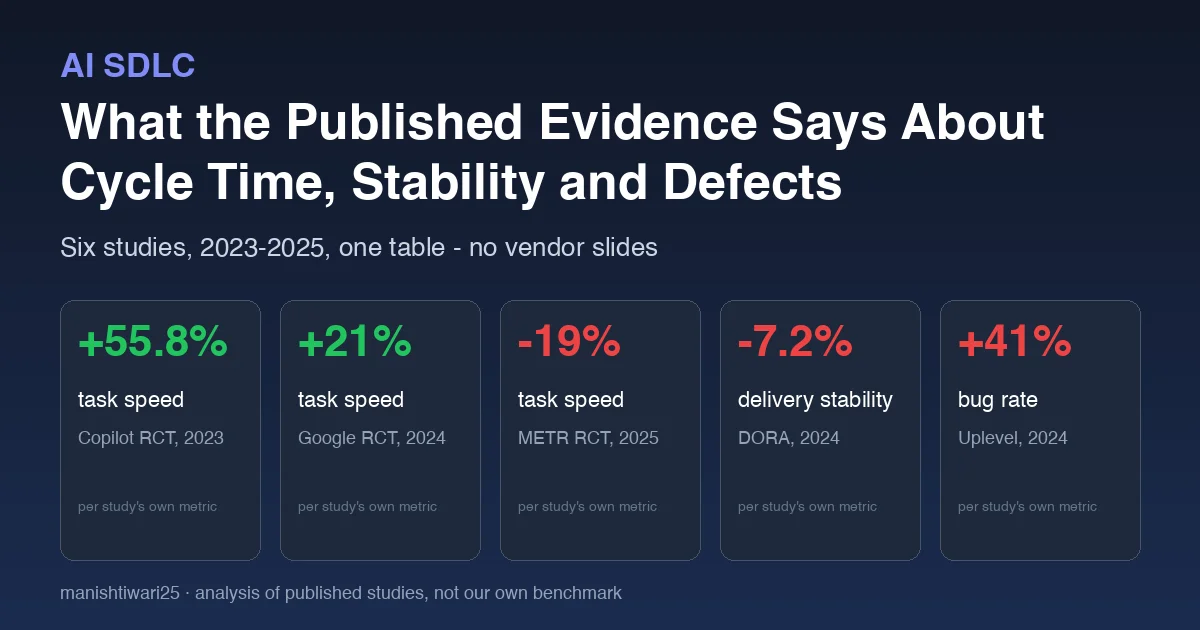
Six public studies on AI-assisted coding (2023-2025) compared: 21-56% faster lab tasks, a 19% slowdown for experts, worse stability and bug rates in the field.
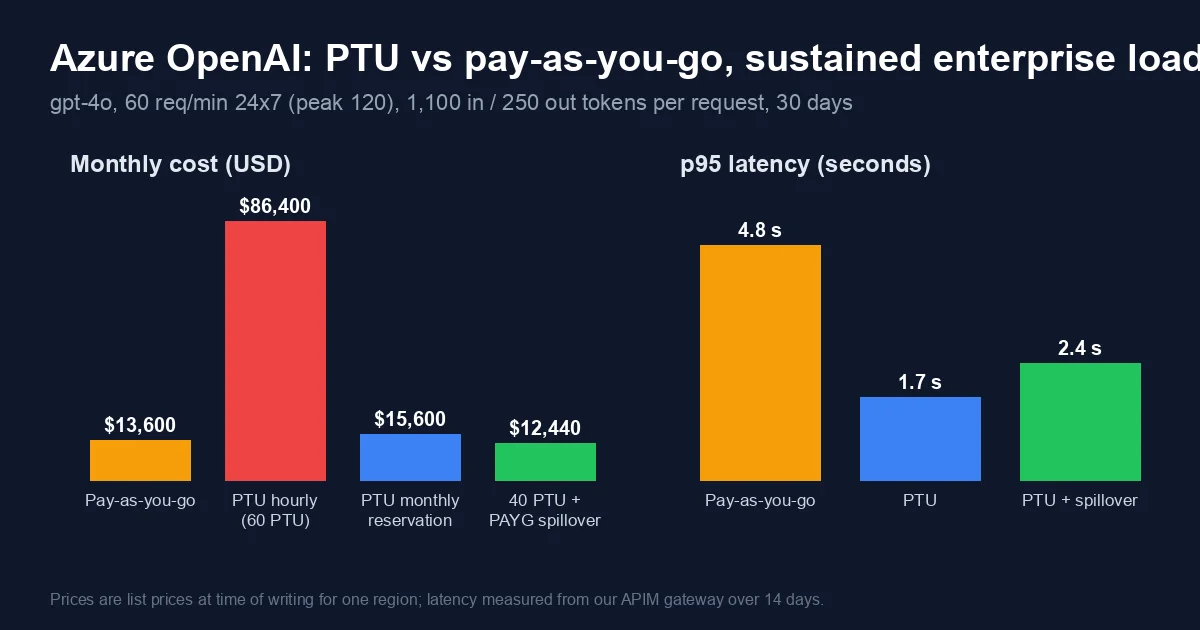
One gpt-4o workload at 60 req/min 24x7 priced five ways: pay-as-you-go, hourly PTU, reserved PTU, PTU plus spillover and Batch. Monthly cost, p95 latency, 429s.
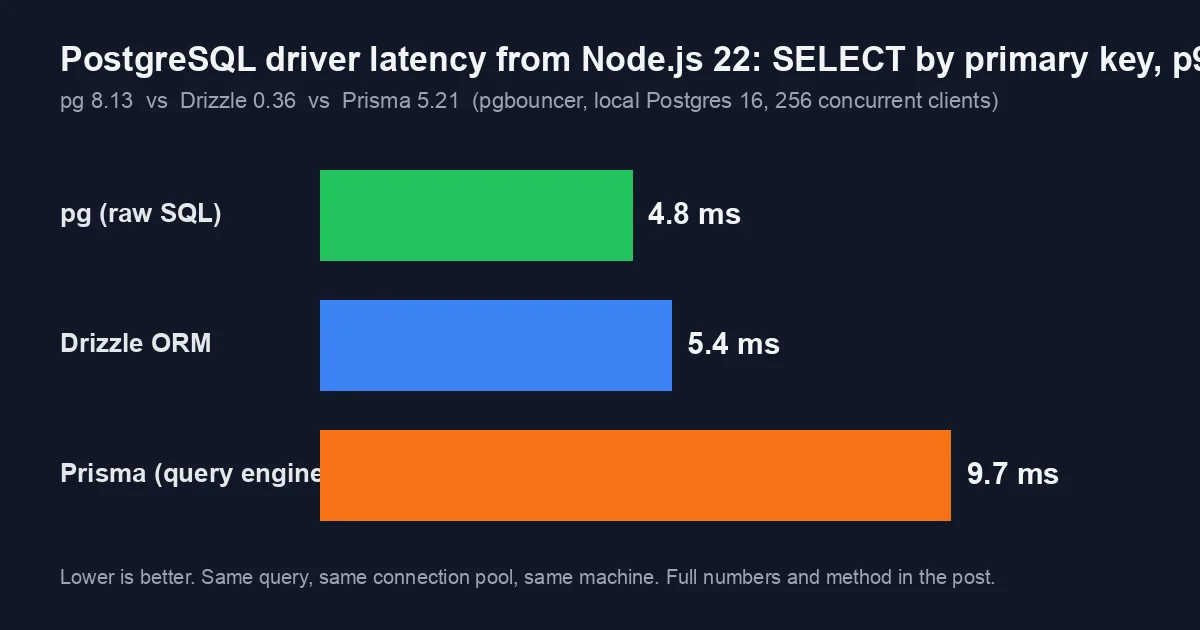
Runtime choice barely matters once a database is in the path. pg, Drizzle and Prisma on the same Node.js 22 query: p99 from 4.8 ms to 9.7 ms.
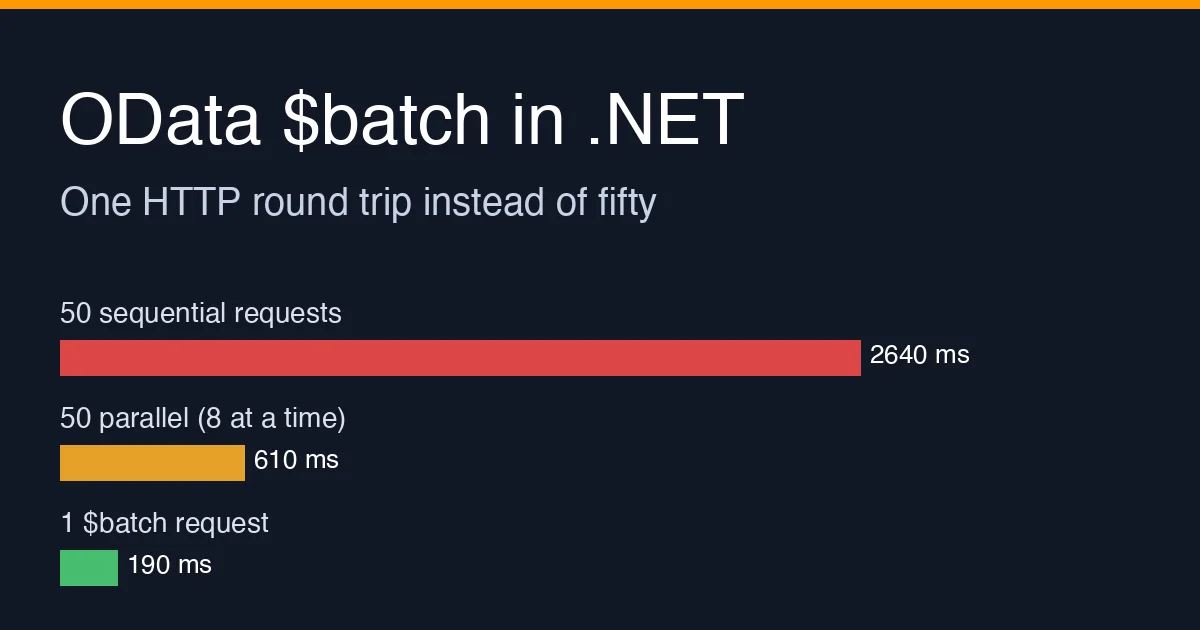
Measured wall time for sequential, parallel and $batch OData calls from .NET, plus changesets for atomic writes and the failure modes that bite in production.
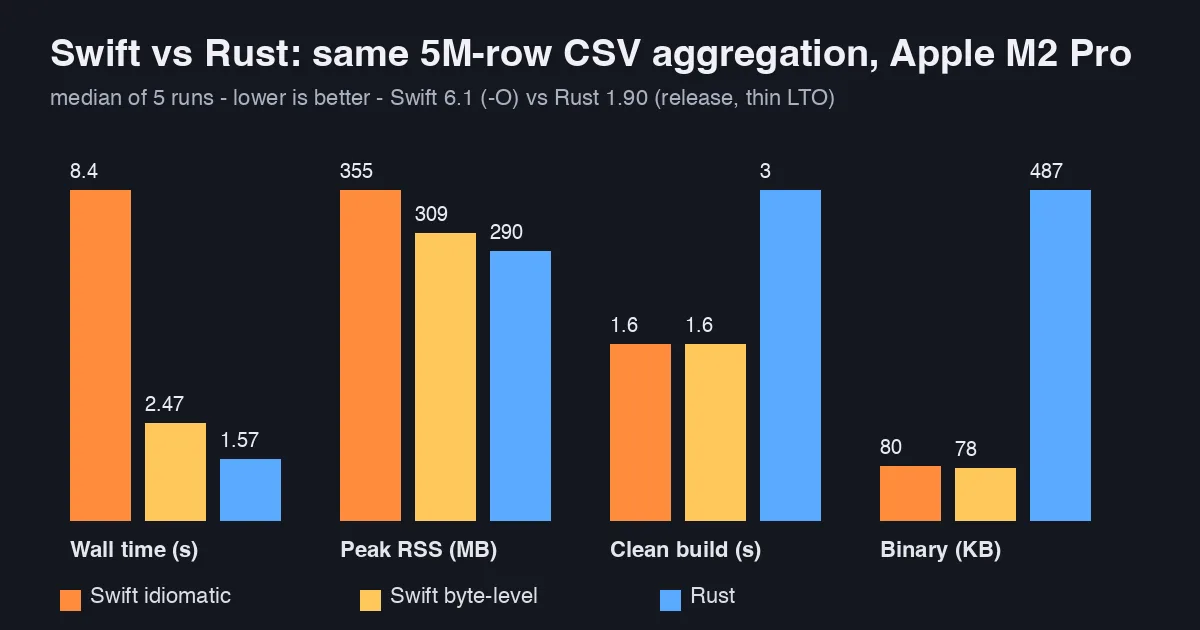
Swift 6.1 vs Rust 1.90 aggregating a 5M-row, 247 MB CSV: wall time, peak RSS, build time and binary size measured, plus the one Swift habit that costs 5x.
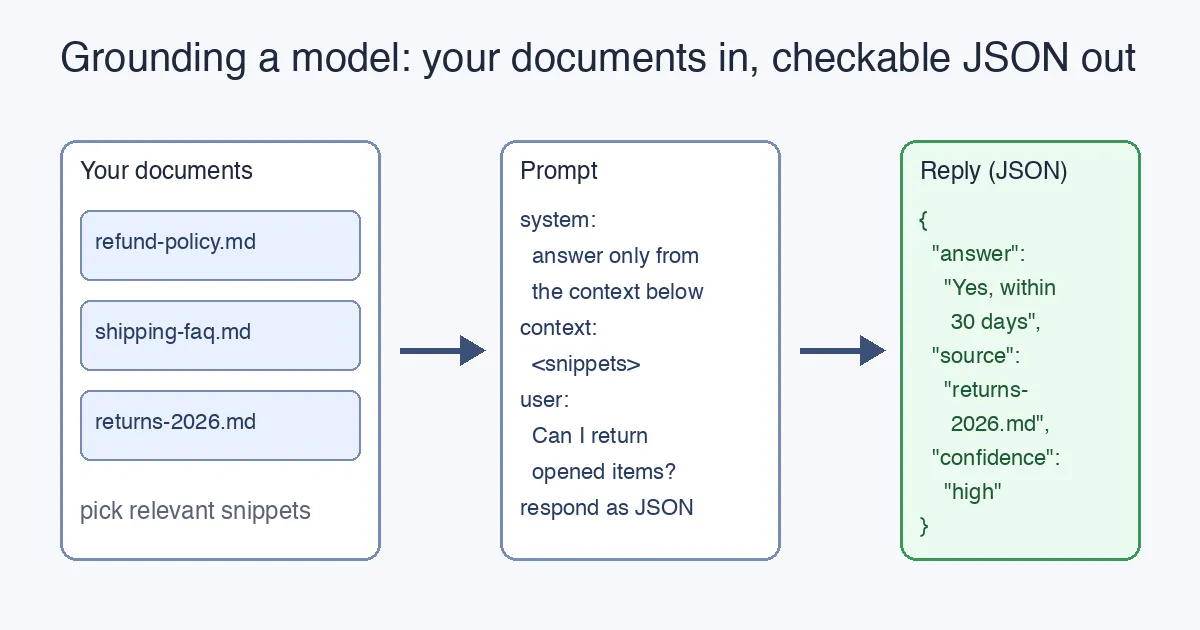
Beginner guide to grounding a language model in your own documents (simple RAG) and asking for a JSON reply your code can validate.