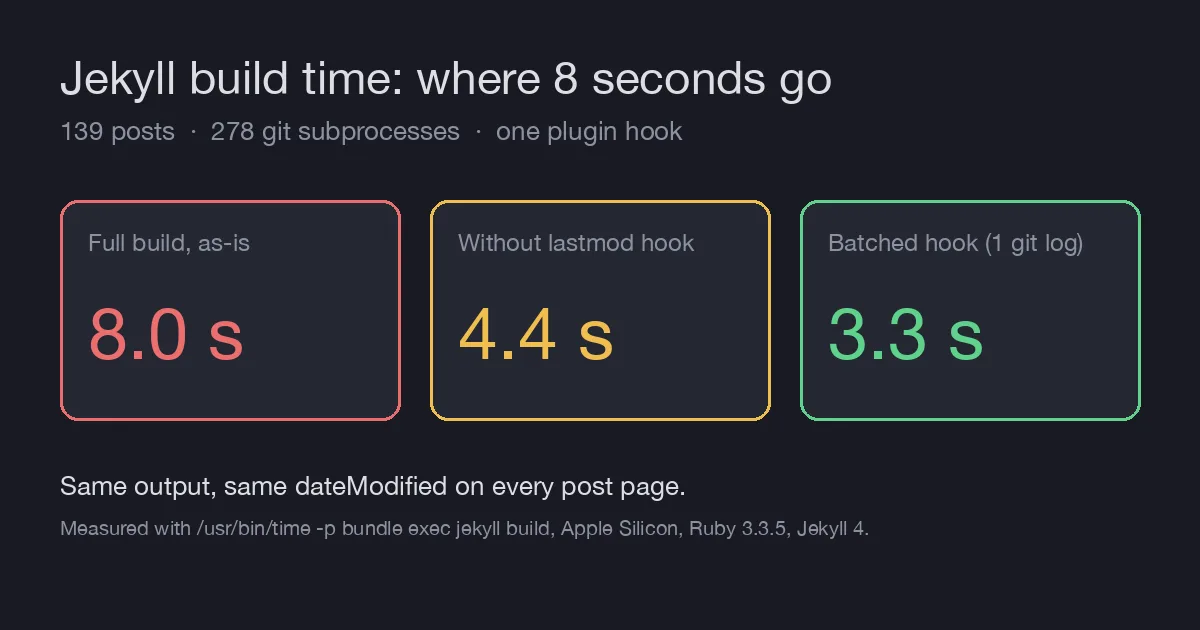
Why This Jekyll Blog Took 8 Seconds to Build: 278 Git Subprocesses in One Plugin Hook
Profiling a 139-post Jekyll build: a last-modified plugin forks git twice per post and costs half of an 8 s build. One batched git log cuts it to 3.3 s.
Profiling a 139-post Jekyll build: a last-modified plugin forks git twice per post and costs half of an 8 s build. One batched git log cuts it to 3.3 s.
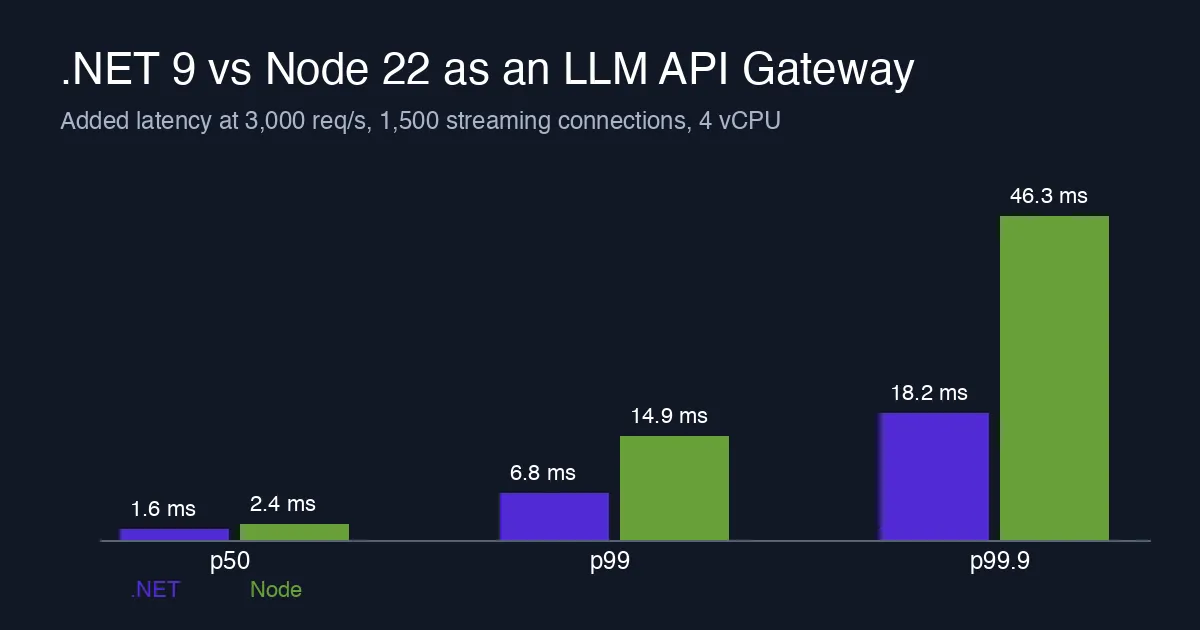
Same streaming LLM gateway in .NET 9 and Node 22 on 4 vCPU: .NET sustains 11,200 req/s vs 6,400, p99 6.8 vs 14.9 ms, RSS 212 vs 168 MB. Where Node still fits.
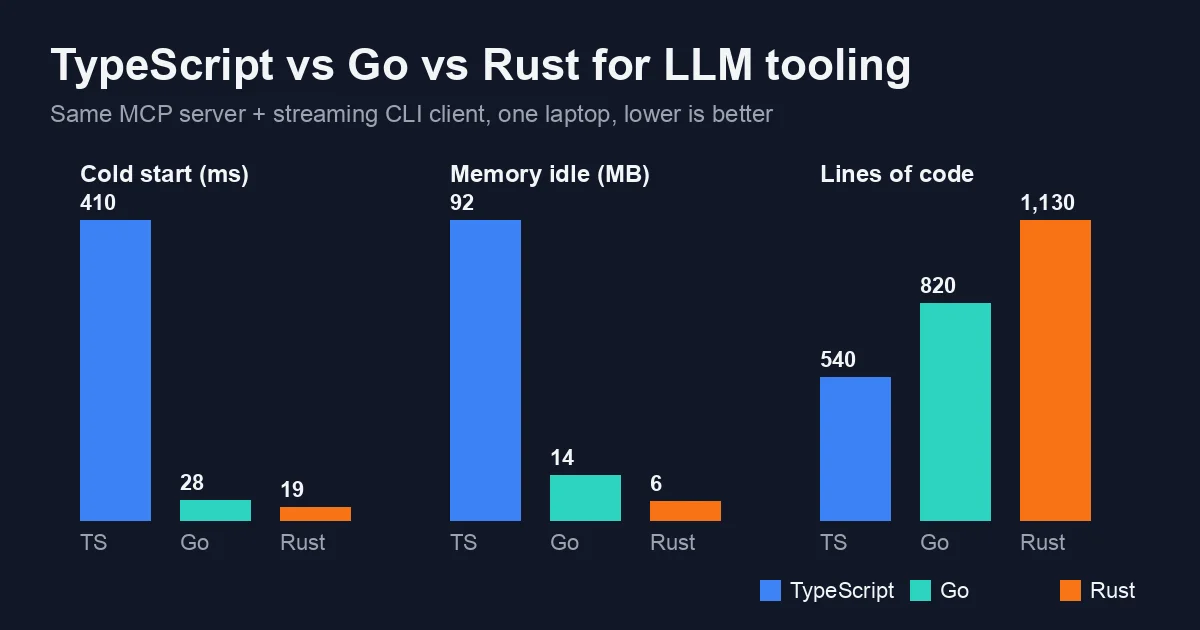
The same MCP server and streaming CLI client in TypeScript 5.9, Go 1.25 and Rust 1.91: cold start, memory, tool-call latency and SDK maturity measured.
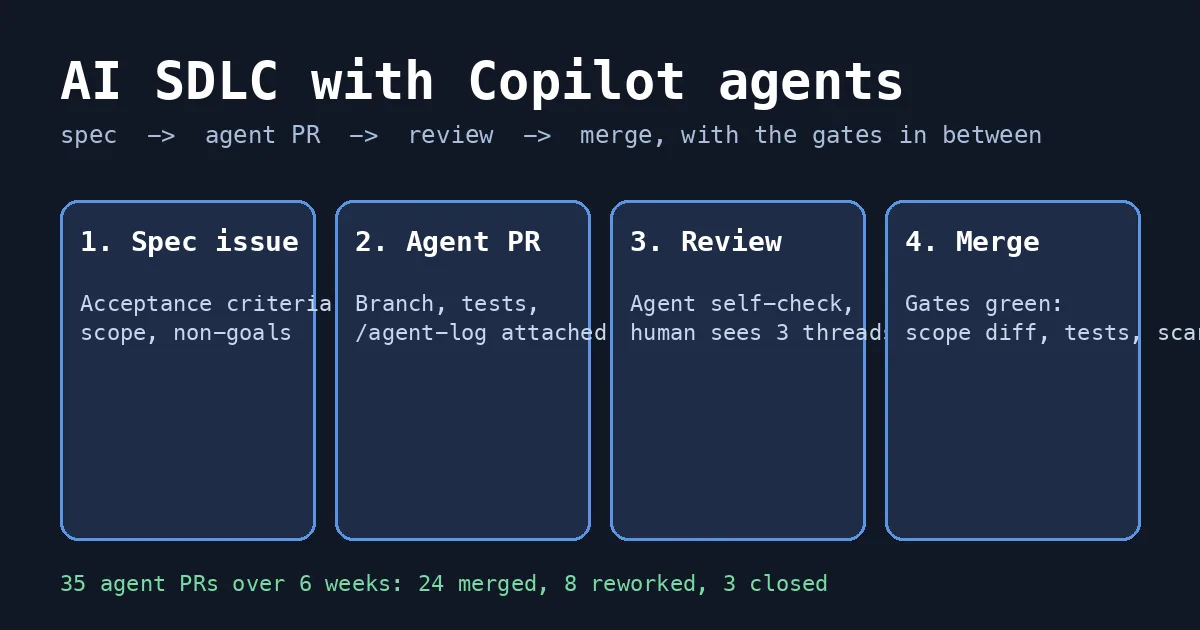
One .NET issue walked through the agent-driven SDLC: spec issue, Copilot coding-agent pull request, agent self-review and human merge, with screenshots.
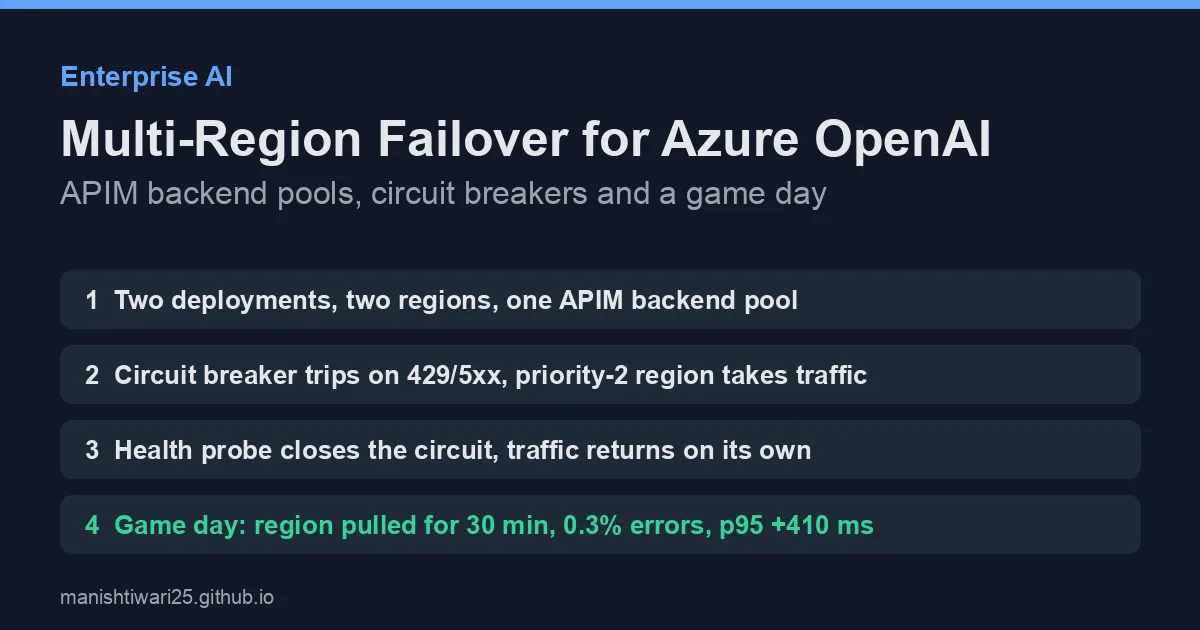
Fail Azure OpenAI traffic over between two regions with an APIM backend pool, circuit breaker and retries: the trace, the policy and game-day numbers.
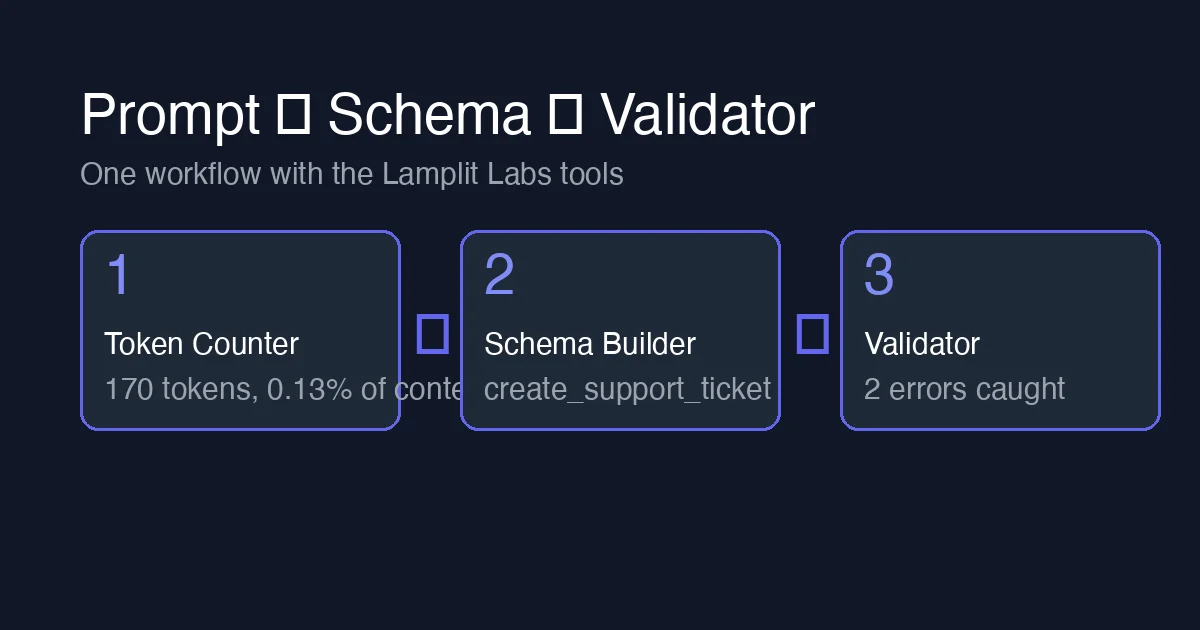
The Lamplit Labs Token Counter, Schema Builder and Structured Output Validator run end to end on one support-ticket task, with a screenshot per step.
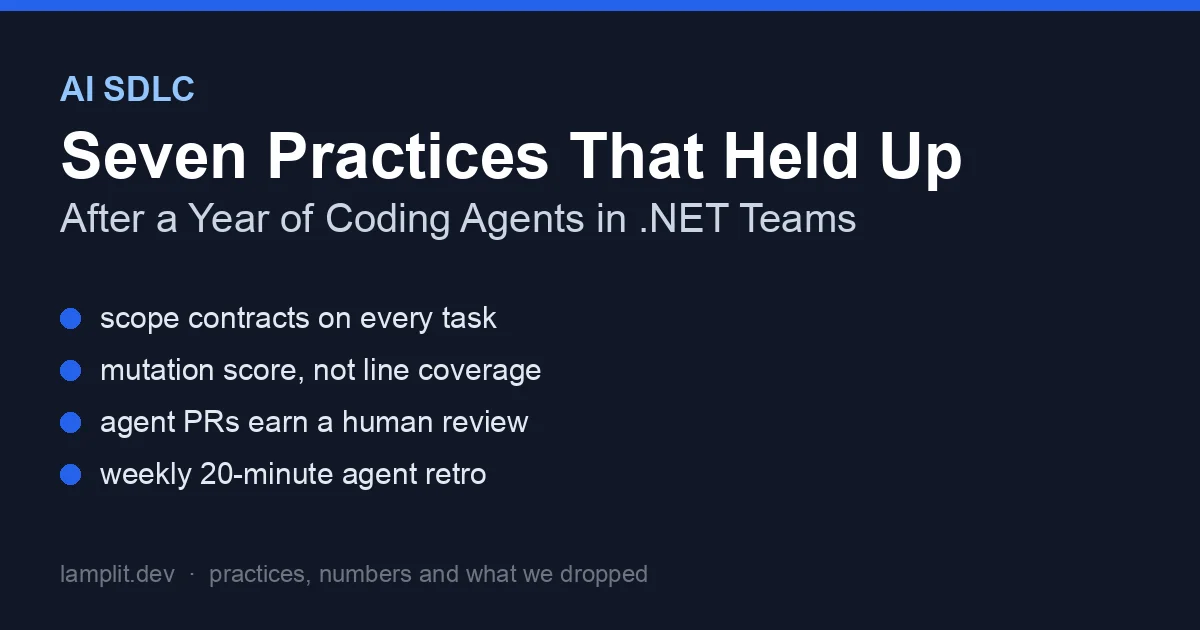
Twelve months of coding agents on nine .NET services: the seven AI SDLC practices we kept, the three we dropped, and the before-and-after numbers.
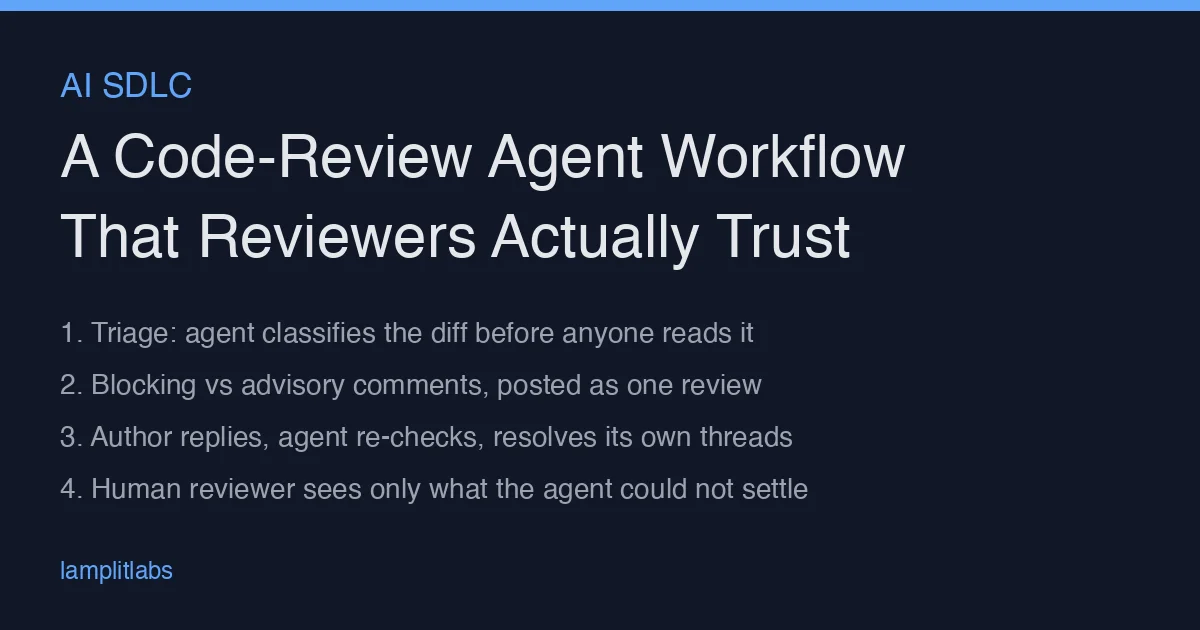
The four-stage AI code-review agent workflow we run on .NET repos: triage, one review with blocking vs advisory comments, agent re-check, then human review.
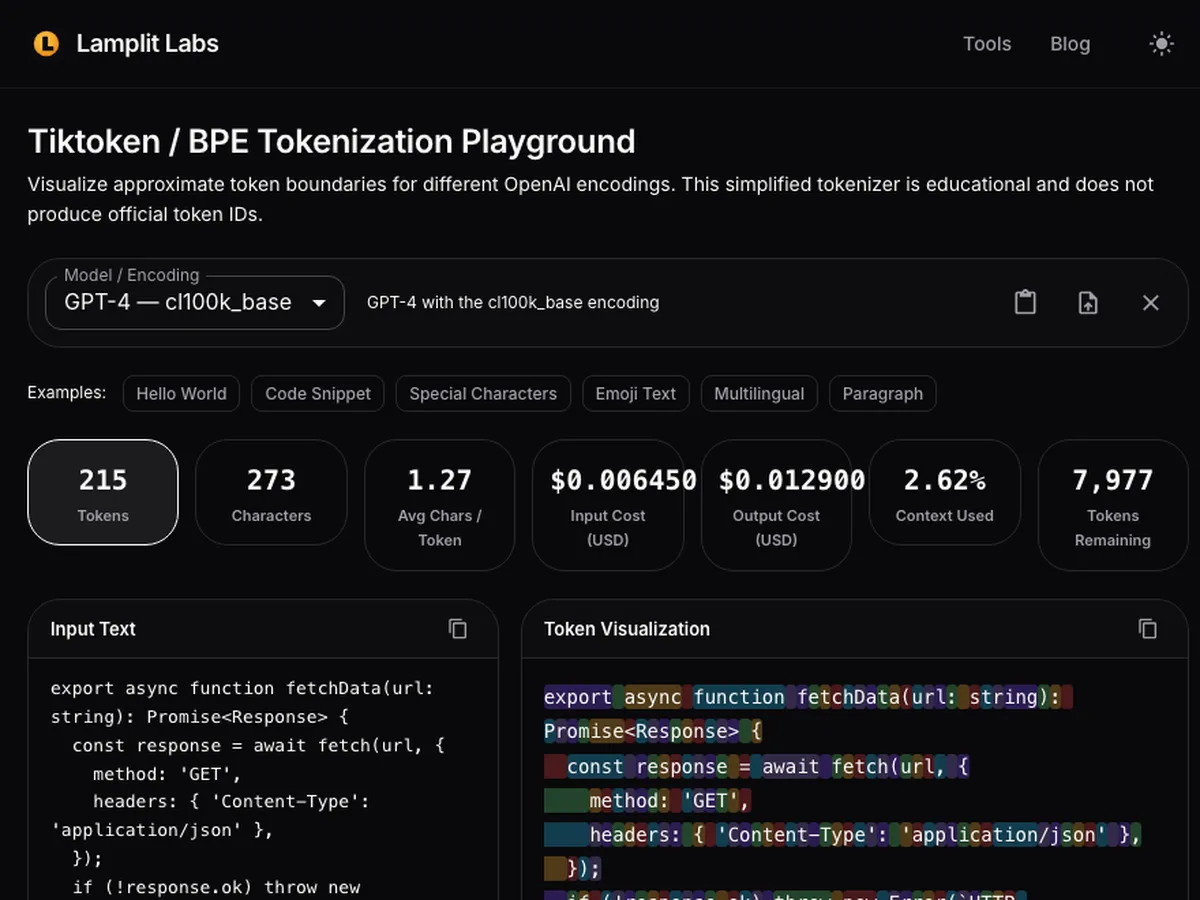
How the Lamplit Labs Tiktoken Playground shows approximate BPE token boundaries, per-token byte counts, cost and context-window usage in the browser.
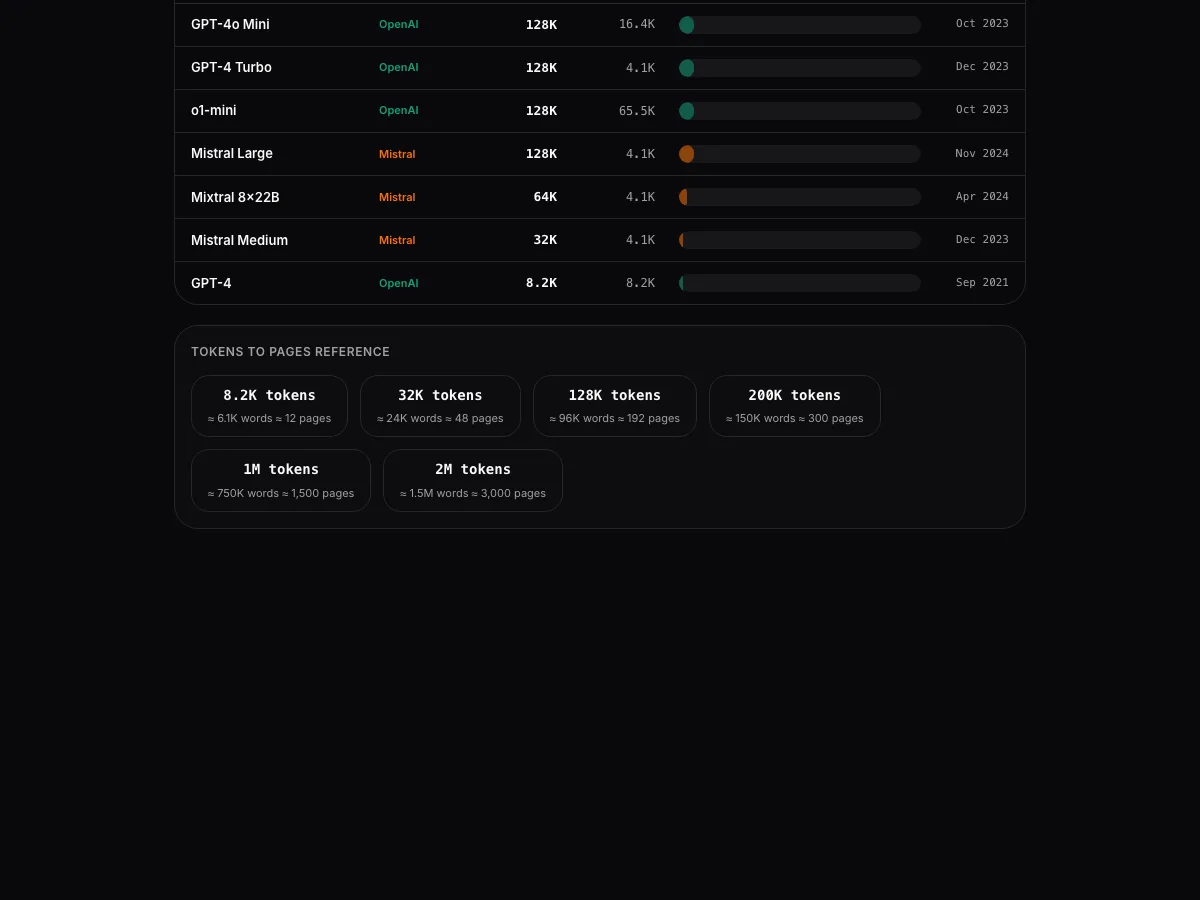
How the Lamplit Labs Model Context Window Chart compares context window, max output and knowledge cutoff for 26 LLMs, and turns tokens into pages.